

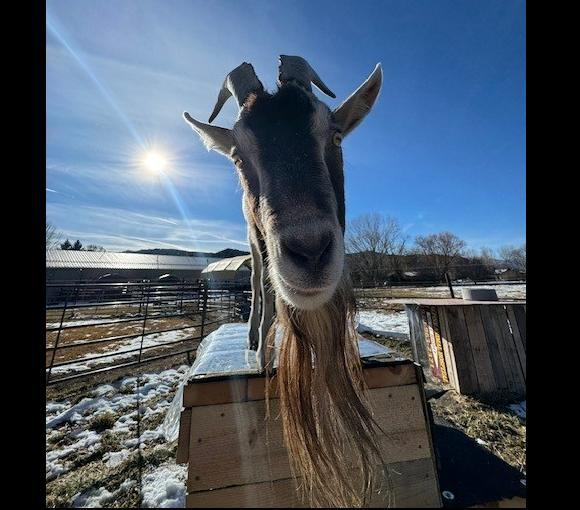
Urolithiasis, or urinary stones, is a consideration for any sick male ruminant. Males that were castrated early have the highest incidence of urethral obstruction due to stones, but this occurs commonly in all male ruminants. Obstruction of the urethra is followed by urinary retention which can lead to bladder rupture or systemic illness. Uroliths are solid crystal formations composed of organic materials (protein, sugars, cells) and inorganic materials (calcium, magnesium, and phosphate). These materials can come out of solution in the urine if they are in situations of supersaturation that occurs as a result of negative water balance, urine pH, increased renal excretion. This can be caused due to systemic illness, inadequate access to palatable water, or an increase in component concentration in urine due to feed. The anatomy of male ruminants leads to a predilection of obstruction. Their urethra is long and has a sigmoid shape, additionally there is a 2-4cm long extension beyond the end of the penis called the urethral process where the stones commonly get obstructed due to the narrow size of the appendage.
https://www.sciencedirect.com/science/chapter/edited-volume/pii/B9780323910156001072
As urolithiasis is very common in male goats, it’s a top differential in any sick male ruminant. Clinical signs include anorexia, depression, bruxism (grinding teeth), straining, vocalizing, abdominal distention, and ventral edema. The sooner intervention is performed, the better the prognosis. If ventral edema is noted, this may indicate bladder rupture and the prognosis is grave. A diagnosis can be made on physical exam or with an ultrasound of the bladder and urethra. Treatment may include catheterization of the urethra, supportive care, or surgical correction if catheterization is not possible.
Urolithiasis prevention should be a corner stone of any goat herd with males. Firstly, delaying castration until 8 weeks allows optimal growth of the diameter of the urethra. Secondly, increasing water intake allows dilution of the urine and prevention of the supersaturation of the urine. Provide clean, palatable, and room temperature water at all times. In addition, providing salt to the diet, encouraging grazing, and feeding a high forage diet promotes increased water intake. Thirdly, decrease the amount of high protein feeds and hay, ensuring appropriate trace mineral blocks availability, and offering ammonium chloride in the feed can prevent cellular debris in the urine.
Urolithiasis in goats is common but can be prevented by diet and husbandry of the goat herd. Urolithiasis should be considered in any sick male goat. If your goat shows any signs of illness, please contact your veterinarian promptly.

have a question about your small ruminant's health? Give us a call.
Alpine Equine hospital PC
Office 970-379-7100